

Your skin makes vitamin D. Winter makes that harder.
As a dermatologist, I think about sunlight every day. Your skin makes vitamin D when UVB light reaches it. From late fall through early spring, four things work against that at once.
Shorter days
Fewer daylight hours means fewer chances to get sun on your skin at all.
A lower sun
The winter sun sits lower in the sky, so less UVB reaches the ground.
Covered up and indoors
Coats, scarves and more time inside leave very little skin exposed.
Windows block UVB
A sunny window feels warm, but your skin can’t make vitamin D through glass.
And no, the answer isn’t skipping sunscreen. I’ll always tell you to protect your skin. That’s why I look to other ways to keep vitamin D steady through the winter.
1 in 4
Americans are at risk of low vitamin D.1
You may be more likely to run low if you
To get 600 IU of vitamin D from food, every day, you’d need2

Two winter changes where vitamin D plays a part.
Winter mood
Vitamin D plays a role in mood.*
Darker months can feel heavier. Vitamin D is one of the nutrients that supports healthy mood, which is one more reason to keep your levels steady when the sun isn’t helping.
“My patients often tell me they feel the difference in January before they see it in the mirror.”
Winter hair
Vitamin D supports the normal hair growth cycle.*
Hair follicles are among the busiest cells in your body, and vitamin D is part of what they need to cycle normally. It’s a nutrient I pay attention to in my hair patients.
“When patients ask me about winter hair, vitamin D is one of the first things we talk about.”
Knowing you need it is easy. Remembering to take it isn’t.
Big pills. No glass of water nearby. The bottle you left at home. [XX%] of supplement users say they regularly skip or forget doses. [Source needed]
What I recommend
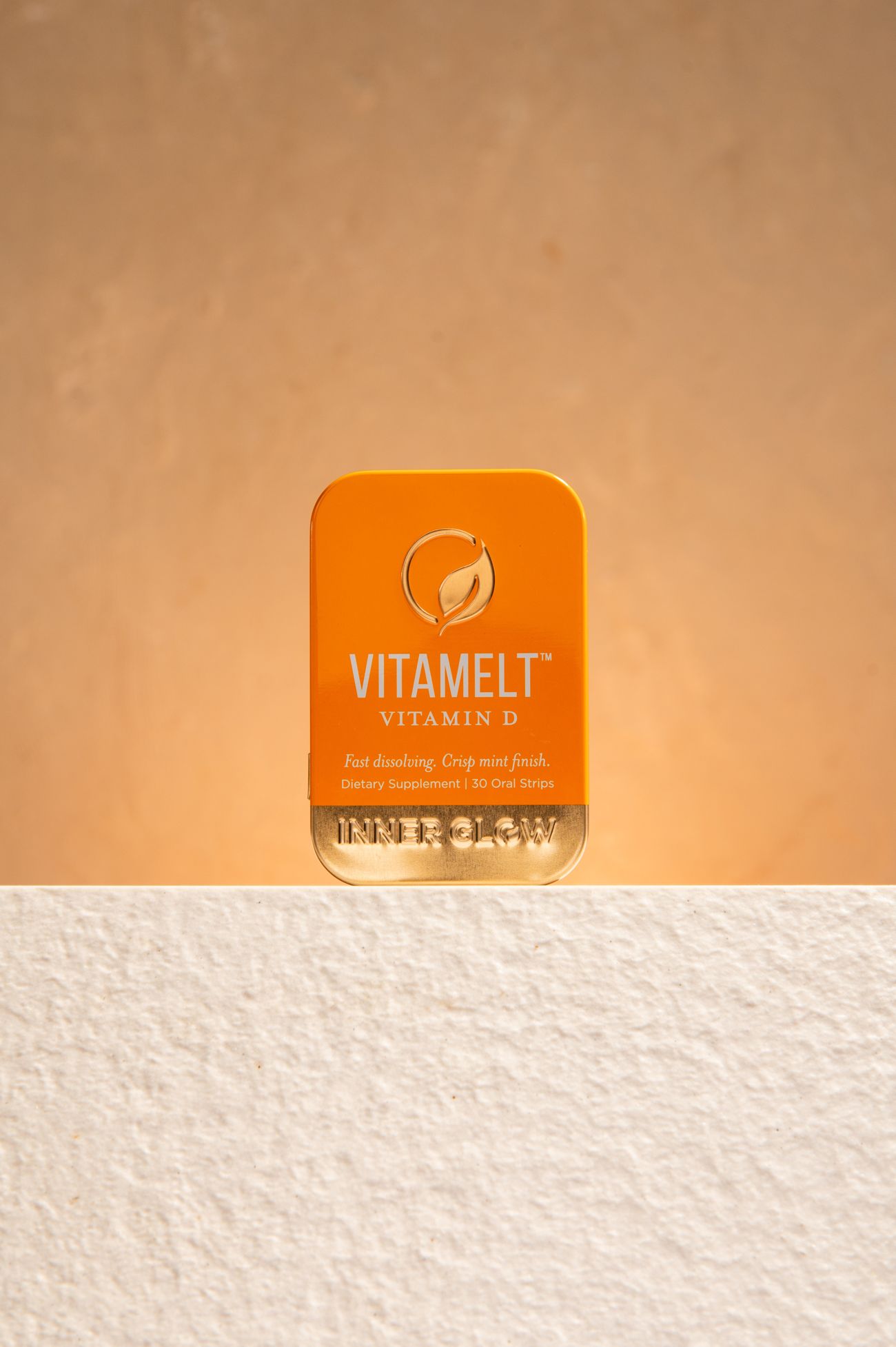
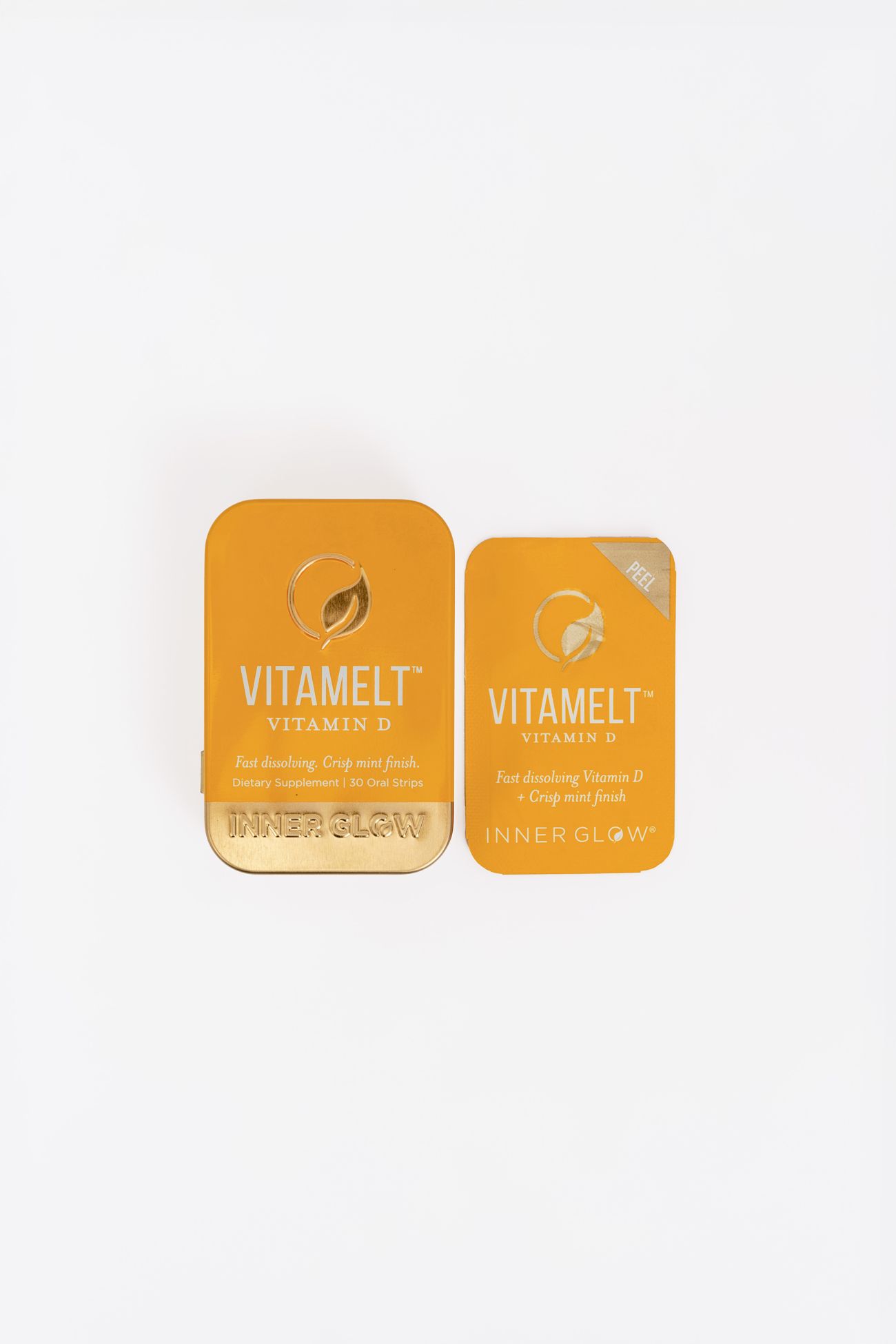
VitaMelt Vitamin D
Fast dissolving. Crisp mint finish.
Benefits:
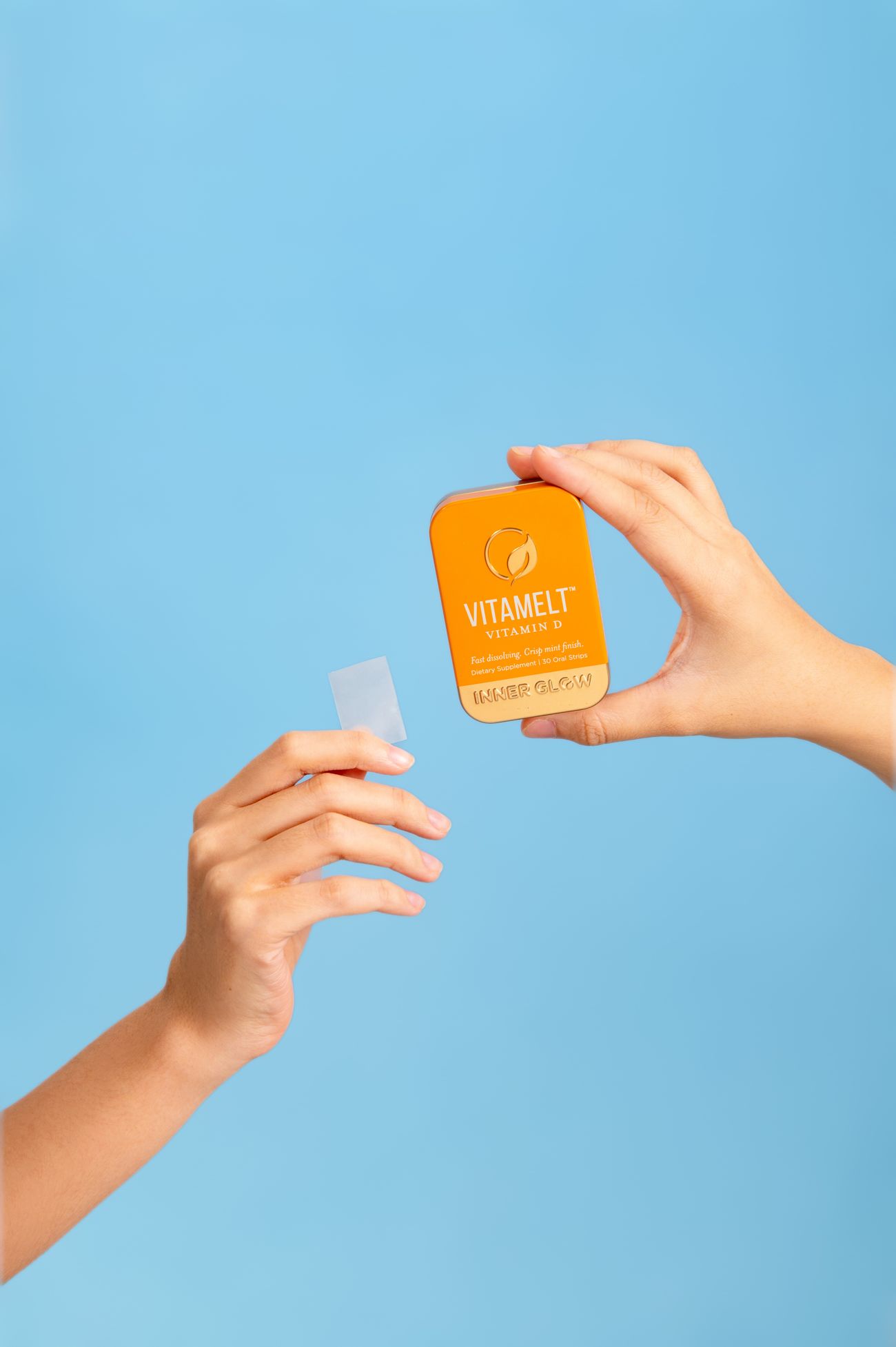
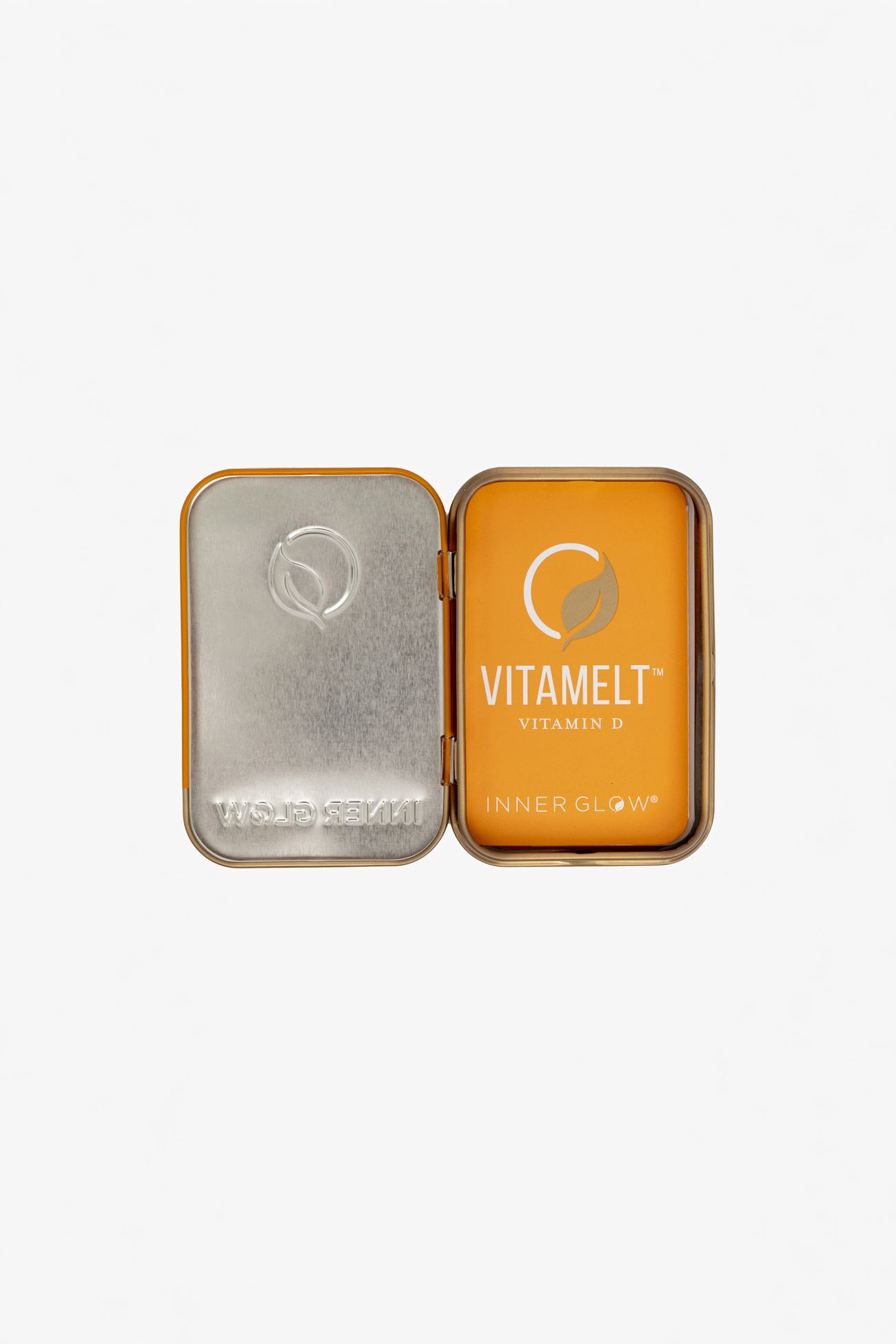
600 IU of vitamin D3 in every strip. Melts on your tongue in seconds, no water needed. Zero sugar, organic peppermint flavor. 30 strips in a slim tin that fits a pocket or wallet.
“I made VitaMelt for the patients who know they need vitamin D and never remember the pill. It lives in your pocket, and it takes five seconds.”
Staying on track all winter? Subscribe & Save 20% on 3 tins every 3 months, with free shipping. Cancel anytime.
Made by doctors. Loved by doctors.
Dermatologists try VitaMelt
Common questions
How much vitamin D do I need?
The NIH recommends 600 IU a day for most adults ages 19 to 70, and 800 IU after 70.2 Each VitaMelt strip has 600 IU. Your doctor can tell you what’s right for you.
How do I take it?
Place one strip on your tongue and let it melt. No water needed. One strip a day.
Can I take it with my other supplements?
VitaMelt is vitamin D3 only. If your multivitamin or another supplement also has vitamin D, add up your daily total and check with your doctor or pharmacist.
Who should talk to a doctor first?
Talk to your doctor before starting if you’re pregnant or nursing, take prescription medication, or have a medical condition.